
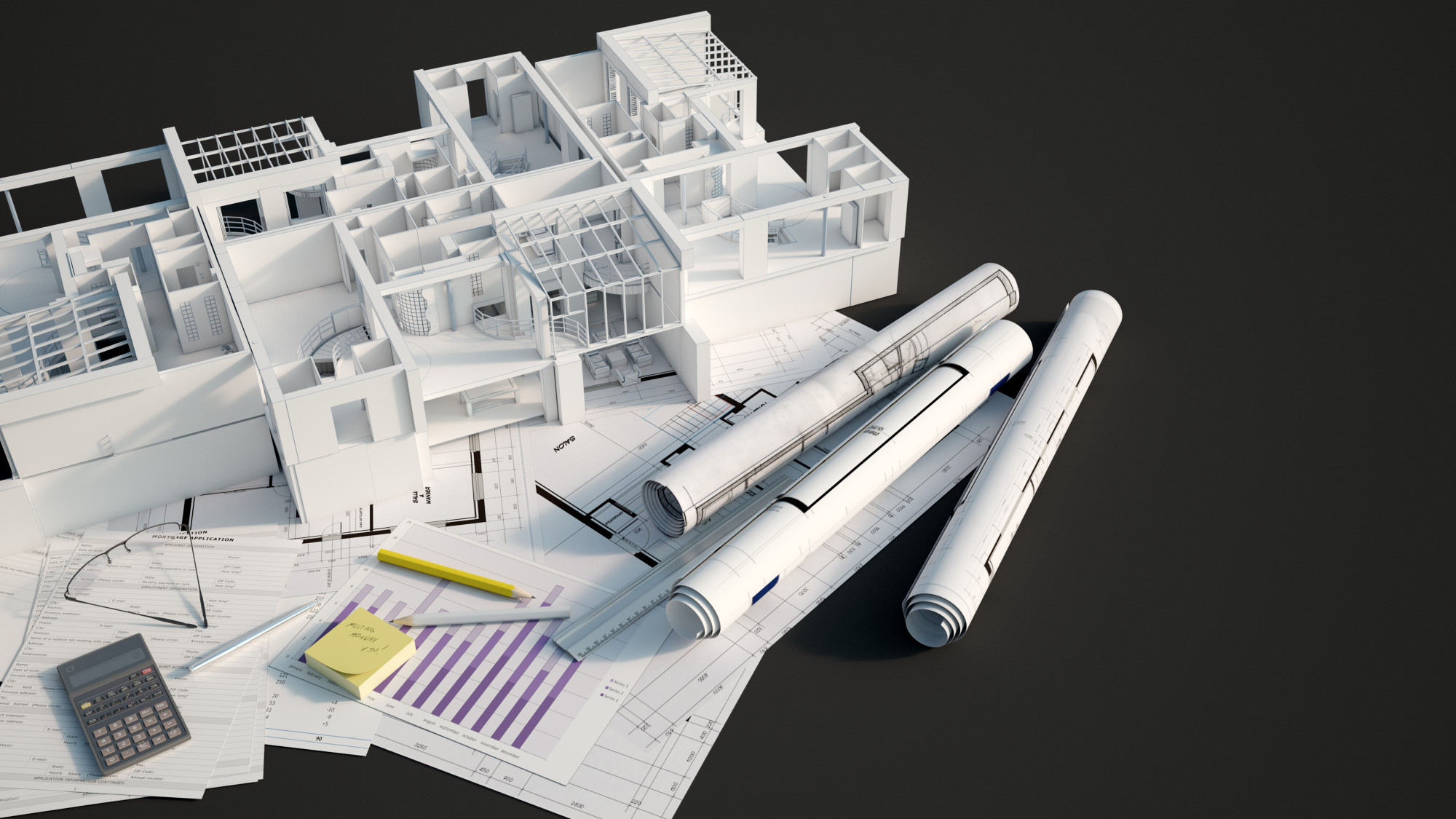
CONSTRUCTION INVESTMENT IN OMAN
Understanding construction costs in Oman is one of the most important steps before starting any real estate or development project. Foreign investors often focus on land prices and expected selling prices, but the real profitability of a project depends on accurate cost estimation, financial planning, risk control, contractor selection, and market understanding.
Introduction: Why Construction Cost Estimation Matters in Oman
Starting a construction project in Oman requires more than capital. Investors need a clear understanding of every financial element involved in the development process. A project may appear profitable at first glance, but unexpected costs, delays, material price changes, design modifications, or poor contractor management can significantly reduce the final return.
Professional developers do not calculate construction costs only by looking at the price per square meter. A complete estimation includes land preparation, architectural design, engineering services, permits, materials, labor, equipment, financing costs, marketing expenses, maintenance considerations, and possible risks during execution.
For foreign investors entering Oman, accurate cost estimation is even more important because they are dealing with a different market environment, regulations, suppliers, labor structures, and construction practices.
According to Dr. Mojtaba Barghbani, one of the most important principles in international construction investment is understanding the complete financial picture before committing capital. A successful project begins with realistic numbers, not optimistic assumptions.
Key Principle for Investors
The cheapest construction plan is not always the most profitable one. The best project is the one where cost, quality, timeline, market demand, and future value are balanced correctly.
What Factors Determine Construction Costs in Oman?
Construction cost in Oman depends on several interconnected factors. Two projects with the same size can have completely different budgets because of differences in location, design, specifications, materials, and execution strategy.
1. Land Preparation and Site Conditions
Before construction begins, the land must be evaluated. Some locations require additional preparation work such as excavation, soil improvement, drainage solutions, retaining walls, or infrastructure connections.
A cheaper plot may become expensive if it requires significant preparation before construction. This is why investors should evaluate land together with construction cost, not separately.
Before selecting a location, investors should review:
- Soil conditions
- Road accessibility
- Water and electricity availability
- Drainage requirements
- Distance from suppliers and contractors
- Future development plans around the site
For a better understanding of land evaluation, investors can review:
Site Selection in Oman’s Construction Market
2. Project Type and Building Function
Construction costs vary significantly depending on the type of project. A luxury villa, residential apartment building, hotel, warehouse, office building, and mixed-use development all have different requirements.
For example:
| Project Type | Main Cost Drivers |
|---|---|
| Luxury Villa | Finishing quality, design, landscape, smart systems |
| Residential Building | Structure, number of units, parking, common areas |
| Commercial Building | MEP systems, flexibility, tenant requirements |
| Warehouse | Steel structure, logistics access, storage requirements |
Construction Materials and Their Impact on Budget
Materials are one of the largest components of construction costs. Choosing materials only based on the lowest price can create long-term problems related to maintenance, durability, energy consumption, and customer satisfaction.
Professional developers balance initial cost with lifecycle value. A slightly higher-quality material may reduce future maintenance expenses and increase the property’s market value.
Important material categories affecting construction budgets include:
- Concrete and structural materials
- Steel and metal works
- Facade materials
- Flooring and finishing products
- Mechanical and electrical systems
- Doors and windows
- Insulation and energy efficiency solutions
Investors can also review:
Construction Material Sourcing in Oman
to understand procurement strategy and quality control.
Cost Estimation Mistake
Many investors calculate only construction costs and forget indirect expenses. A professional budget must include every cost from the first planning stage until final delivery and operation.
Labor and Contractor Costs in Oman
Choosing the right contractor has a direct impact on project cost. A contractor with a very low quotation may appear attractive, but hidden variations, delays, poor quality, and additional requests can increase the final budget.
A professional contractor evaluation should include:
- Previous project experience
- Financial stability
- Engineering capability
- Quality control system
- Project management skills
- Understanding of local regulations
Before signing agreements, investors should study:
Contractor Agreements in Oman
The Role of Design in Controlling Construction Costs
Design decisions have a direct impact on construction expenses. Poor planning during the design stage often creates expensive changes during execution.
A professional design process should consider:
- Construction efficiency
- Material optimization
- Energy performance
- Maintenance requirements
- Future market demand
Value engineering is one of the most effective methods for controlling costs without reducing project quality. It focuses on achieving the required performance with optimized resources.
How to Calculate a Realistic Construction Budget in Oman
A realistic construction budget is not created by estimating one number. Professional investors divide the project into different cost categories and analyze each part separately. This approach helps identify where money is being spent and where optimization is possible.
A complete construction budget in Oman should normally include:
Land Cost
Purchase price, legal review, transfer expenses, and preparation costs.
Design & Engineering
Architecture, structural design, MEP design, consultancy, and technical approvals.
Construction
Materials, labor, equipment, subcontractors, and site management.
Commercial Costs
Marketing, sales, operation preparation, and asset management expenses.
Investors should also create different scenarios:
- Optimistic scenario: lower costs and strong market demand
- Realistic scenario: normal execution conditions
- Conservative scenario: delays, higher costs, and slower sales
This method prevents investors from making decisions based on unrealistic expectations.
Hidden Costs That Can Increase Construction Expenses
One of the biggest challenges in construction investment is unexpected expenses. Even experienced investors can face additional costs if the project is not carefully analyzed before execution.
Common hidden costs include:
| Hidden Cost | Impact on Project |
|---|---|
| Design Changes | Increase material, labor, and timeline costs |
| Material Price Changes | Affects final construction budget |
| Permit Delays | Creates financial pressure and delayed returns |
| Poor Contractor Planning | Causes rework and additional expenses |
| Quality Problems | Creates repair and maintenance costs |
A professional investor always keeps a contingency reserve for unexpected situations.
Investor Reminder
A construction project that ignores hidden costs may look profitable on paper but become financially difficult during execution.
The Impact of Financing on Construction Costs
Construction costs are not limited to physical expenses. Financing structure also affects the final value of a project. The longer a project takes, the more financial pressure can appear through capital costs, delayed income, and additional operational expenses.
Investors should consider:
- Available capital
- Financing method
- Payment schedule
- Construction timeline
- Expected sales or rental period
- Emergency financial reserves
A project with good design and strong demand can still face problems if cash flow is not managed correctly.
For more information, investors can review:
Construction Project Financing in Oman
Managing Construction Cost Risks in Oman
Cost management is not only about reducing expenses. It is about controlling risks while protecting project quality.
Successful investors usually create a risk management plan before construction begins. This plan identifies possible problems and prepares solutions before they become expensive.
Construction Risk Management Checklist
- Evaluate contractor capability before signing
- Prepare detailed project specifications
- Control design changes
- Monitor construction progress regularly
- Review material procurement schedules
- Track budget deviations
- Maintain transparent communication between all parties
Investors can also study:
Risk Management in Oman Construction Projects
How Construction Quality Influences Long-Term Value
Reducing construction costs should never mean reducing quality. A low-quality project may create higher expenses after completion through repairs, complaints, low tenant satisfaction, and reduced market value.
Quality affects:
- Future selling price
- Rental demand
- Maintenance expenses
- Brand reputation
- Investor confidence
For foreign investors, quality is especially important because the project represents their reputation in a new market.
The Importance of Post-Construction Planning
Construction does not end when the building is completed. A successful investor should also plan what happens after handover.
Post-construction planning includes:
- Building maintenance
- Facility management
- Warranty management
- Tenant support
- Future renovation planning
A building that is properly managed maintains its value for a longer period.
Investors can review:
Post-Handover Management in Oman
Expert Insight by Dr. Mojtaba Barghbani
Dr. Mojtaba Barghbani believes that successful construction investment requires a complete understanding of the project lifecycle. Cost estimation should not only answer “how much does construction cost?” but also “how much value will this investment create?”
According to this approach, investors should connect:
- Market research
- Land evaluation
- Design strategy
- Cost estimation
- Construction management
- Sales planning
- Long-term asset management
This integrated view helps investors make stronger decisions and reduce unnecessary risks.
Conclusion: Accurate Cost Estimation Creates Better Investments
Construction cost estimation in Oman is one of the most important foundations of successful real estate investment. Investors who understand their costs before starting construction have better control over their budget, timeline, and final profitability.
The best projects are not always the most expensive projects. They are projects where every decision is based on analysis, market understanding, quality control, and financial discipline.
Foreign investors who want to enter Oman’s construction market should avoid emotional decisions and focus on professional evaluation. By combining feasibility studies, accurate cost estimation, qualified contractors, risk management, and a clear investment strategy, they can create stronger and more sustainable projects.
Frequently Asked Questions
How much does construction cost in Oman?
Construction costs depend on project type, location, materials, design quality, contractor, and market conditions. There is no single fixed price for all projects.
What is the biggest factor affecting construction cost?
The biggest factors are land conditions, building type, materials, labor, design complexity, and project management quality.
Should investors choose the cheapest contractor?
No. The cheapest quotation may create additional costs later through delays, quality problems, and contract variations.
Why is feasibility study important before construction?
A feasibility study connects costs, market demand, expected income, risks, and investment objectives before capital is committed.
How can Dr. Mojtaba Barghbani help investors?
Dr. Mojtaba Barghbani can help investors analyze construction opportunities, evaluate risks, plan development strategies, and make more informed investment decisions.



No comment