
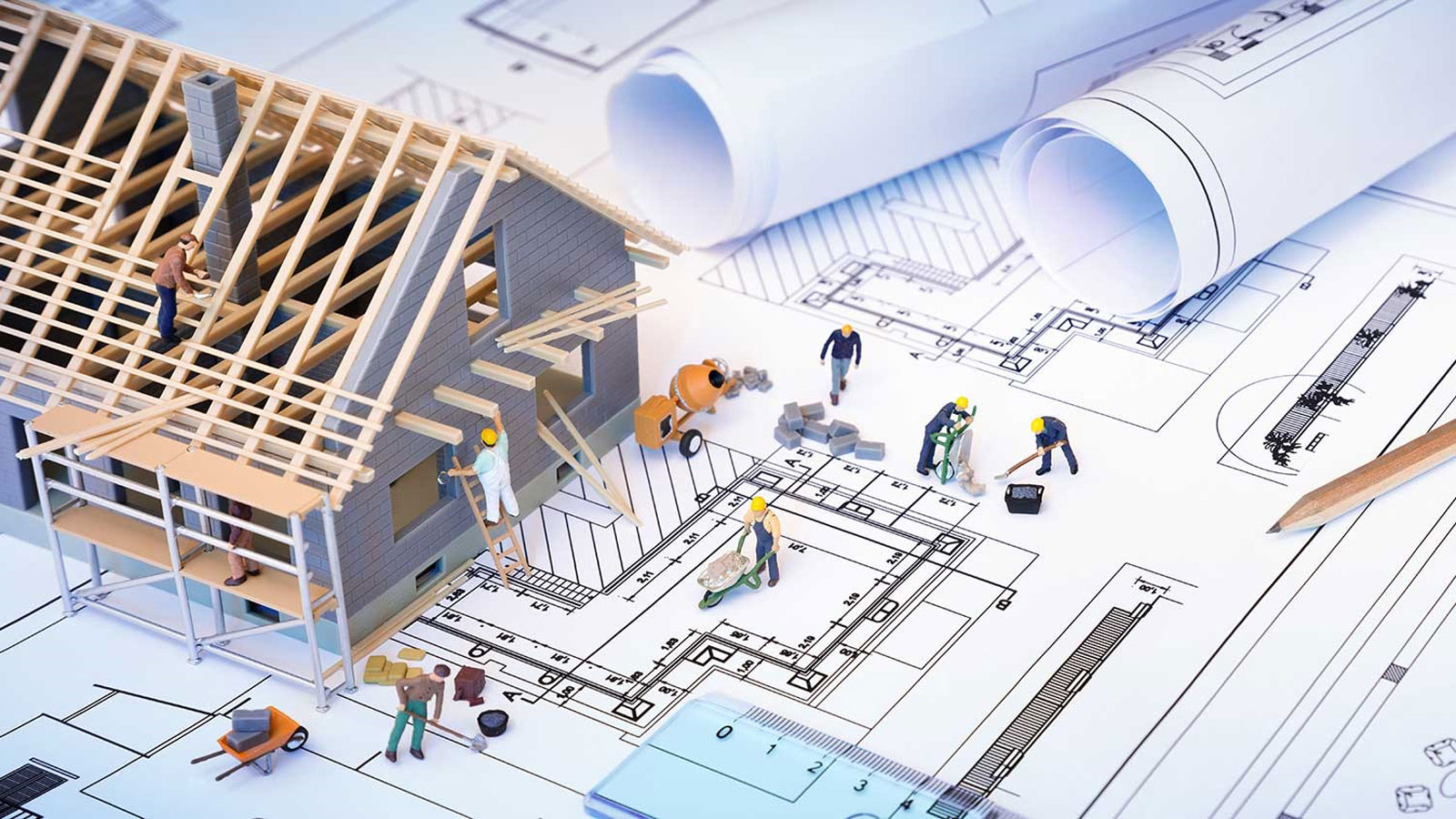
Real Estate Redevelopment in Oman
Adaptive reuse in Oman is an investment strategy that transforms existing buildings, old commercial spaces, underused properties, or outdated structures into profitable real estate assets. For foreign investors, this approach can reduce development time, control some construction risks, and create new value from properties that are already connected to urban life, infrastructure, and local demand.
Adaptive reuse can apply to different property types: old villas that can become boutique offices, underused commercial buildings that can become serviced apartments, outdated warehouses that can become logistics assets, old houses that can become hospitality units, or small retail properties that can be redesigned for modern tenants. The value comes from seeing what the property can become, not only what it is today.
According to Dr. Mojtaba Barghbani, adaptive reuse should not be treated as simple renovation. A profitable reuse project requires legal due diligence, structural assessment, permit review, market analysis, cost control, brand repositioning, and a clear exit strategy. If these factors are studied correctly, an existing building can become a faster and more efficient route into Oman’s real estate market.
Faster Market Entry
Existing buildings may reduce land acquisition, early infrastructure, and some construction start-up delays.
Hidden Technical Risk
Structural problems, weak MEP systems, waterproofing defects, or code gaps can increase project cost.
New Market Positioning
A weak asset can become valuable if it is repositioned for the right buyer, tenant, or operator.
Lower Waste
Reusing existing structures can reduce demolition, material waste, and unnecessary new construction.
What Is Adaptive Reuse?
Adaptive reuse means giving an existing building a new economic purpose. The property may keep its original function but receive a major upgrade, or it may be converted into a completely different use. For example, an old villa may become a professional office, a small commercial block may become a medical center, an old warehouse may become a modern distribution facility, or a traditional property may become a boutique hospitality asset.
The concept is different from ordinary maintenance. Maintenance keeps a building working. Adaptive reuse changes the value logic of the building. It asks whether the property can serve a stronger market, produce better income, attract a different user, or become more competitive after redesign and investment.
Investors who are still studying the general market should first review investment in Oman and then decide whether buying an existing property is more suitable than starting a new construction project.
Investor Insight
The main question in adaptive reuse is not “Is this building cheap?” The better question is “Can this building be legally, technically, financially, and commercially transformed into a stronger asset?”
Why Adaptive Reuse Can Be Attractive in Oman
Adaptive reuse can be attractive because some existing buildings already have location advantages. They may be close to roads, services, business districts, tourism areas, residential communities, or commercial activity. In some cases, the building may already be connected to utilities and known in the local area.
Another advantage is timing. A new project may require land search, acquisition, design, permitting, mobilization, and full construction. A reuse project may move faster if the structure is sound, the legal status is clear, and the intended new use is allowed. This can reduce capital lock-up and help the investor reach rental or sales income sooner.
However, speed should never replace due diligence. Existing buildings often hide risks that are not visible during a short visit. A property may look usable but require structural repairs, MEP replacement, waterproofing work, façade upgrades, fire safety improvements, parking changes, accessibility improvements, or permit modifications. This is why adaptive reuse should begin with a serious feasibility study for construction projects in Oman.
1. Start With Legal and Ownership Due Diligence
Before studying design ideas, the investor must confirm the legal status of the property. Ownership, title documents, previous obligations, lease agreements, mortgage status, restrictions, land use, easements, and transfer conditions must be reviewed. If the property cannot be legally acquired or converted, the investment should not proceed.
In adaptive reuse, land use is especially important. A building that was approved for one function may not automatically be suitable for another. Converting a residential villa into a clinic, office, boutique hotel, restaurant, or serviced apartment may require approvals, design changes, parking compliance, fire safety upgrades, and authority review.
Foreign investors should also review land and property ownership laws in Oman before making commitments.
Adaptive Reuse Decision Table
| Evaluation Area | Key Question | Main Risk | Recommended Action |
|---|---|---|---|
| Legal Status | Can the property be acquired and converted? | Ownership dispute or land-use restriction | Review documents before negotiation |
| Structure | Is the building strong enough for the new use? | Repair cost or safety problems | Commission structural inspection |
| MEP Systems | Can electrical, plumbing, and HVAC systems support the new function? | High replacement cost | Prepare technical audit and upgrade budget |
| Market Demand | Who will rent, buy, or operate the reused asset? | Weak revenue after renovation | Test demand before purchase |
| Exit Strategy | Will the investor sell, lease, operate, or hold the asset? | Capital locked in an unclear asset | Define exit before renovation |
2. Review Permit Feasibility Before Designing the New Use
Permit feasibility is one of the most important steps in adaptive reuse. The investor must confirm whether the planned new use can be approved. A building may be physically convertible, but that does not mean the authorities will approve the new function without conditions.
For example, converting a villa into a hospitality asset may require different safety, parking, service, accessibility, and operational standards. Converting a warehouse into a showroom may require changes in fire safety, customer access, signage, and public circulation. Converting a commercial building into serviced apartments may require residential standards, privacy, ventilation, and utility planning.
Before finalizing the business plan, investors should review steps to obtain a building permit in Oman to understand why design, documentation, and authority coordination must be checked early.
Adaptive Reuse Rule
Never buy an existing building only because it looks cheap. Buy it only after confirming legal convertibility, technical condition, renovation cost, market demand, and exit strategy.
3. Inspect the Building Structure and Technical Systems
Technical inspection is essential. An existing building may have hidden problems in its structure, roof, waterproofing, electrical systems, plumbing, air conditioning, drainage, façade, windows, fire safety, elevators, or foundations. These problems can turn a low-price acquisition into an expensive redevelopment project.
The inspection should evaluate whether the building can support the intended new use. A former residential building may not support heavy commercial activity. A warehouse may need stronger fire systems or improved ventilation. An old commercial property may require major MEP replacement before it can attract modern tenants.
If technical risk is high, the investor should either renegotiate the purchase price, redesign the concept, or avoid the deal. The cost of correction must be included in the financial model, not treated as a minor repair.
4. Match the Reuse Concept With Real Market Demand
A successful adaptive reuse project begins with demand, not imagination. Investors may see a beautiful old villa and imagine a boutique hotel, but the market may need offices. They may see an outdated retail building and imagine luxury apartments, but the location may be better for clinics, coworking, or service businesses.
The reuse concept should be based on who will pay for the asset after renovation. Will the user be a tenant, buyer, operator, tourist, company, medical provider, restaurant brand, logistics firm, or long-term resident? Each target group requires different design, pricing, marketing, and compliance.
Market testing should be connected to marketing and sales for construction projects in Oman. If the investor cannot explain who will use the asset and why, the reuse strategy is not ready.
5. Calculate Renovation Cost Realistically
Renovation cost can be difficult to predict. New construction starts from a clearer baseline, but adaptive reuse begins with existing conditions. The investor may discover defects after opening walls, replacing systems, or reviewing structural details. Therefore, cost estimation must include contingencies.
Major cost items may include demolition, structural repair, MEP replacement, fire safety upgrades, waterproofing, façade improvement, flooring, ceilings, accessibility changes, parking modifications, landscaping, signage, furniture, equipment, authority requirements, and professional fees.
Investors should also connect renovation cost with construction project financing in Oman. A reuse project may look smaller than new construction, but cash flow can become difficult if hidden repairs appear after acquisition.
Adaptive Reuse Checklist for Foreign Investors
6. Choose Contractors Who Understand Renovation Risk
Adaptive reuse requires different contractor skills from new construction. Renovation work often involves uncertainty, hidden defects, partial demolition, working around existing systems, strengthening, replacement, and coordination between old and new elements. A contractor who is strong in new construction may not automatically be strong in adaptive reuse.
The contract should clearly define scope, unknown conditions, variation procedures, protection of existing elements, demolition method, repair standards, material approvals, inspection points, timeline, delay responsibility, and defects liability. Because hidden conditions can create disputes, documentation is critical.
Investors should read how to choose a reliable contractor in Oman and contractor agreements in Oman before signing any renovation or conversion contract.
7. Use Sustainability as a Financial Advantage
Adaptive reuse can support sustainability by reducing demolition waste and extending the life of existing structures. However, sustainability should also be evaluated financially. A reused building should be upgraded so it performs better in energy, water use, maintenance, comfort, and durability.
In Oman, climate-responsive upgrades may include insulation improvements, better windows, shading, efficient HVAC systems, durable external finishes, water-saving fixtures, roof repair, and landscaping that reduces maintenance. These decisions can reduce operating costs and improve tenant or buyer confidence.
Investors can review sustainable construction in Oman to understand how design and material decisions affect long-term asset performance.
Expert Insight by Dr. Mojtaba Barghbani
Dr. Mojtaba Barghbani believes that adaptive reuse in Oman should be approached as a full investment strategy. The investor must connect acquisition price, legal convertibility, technical condition, renovation cost, target market, branding, financing, and exit strategy before committing capital.
From his perspective, an old building is not automatically a problem and a cheap building is not automatically an opportunity. The value depends on whether the asset can be transformed into something the market actually wants.
8. Reposition the Asset Through Branding and Design
Adaptive reuse often requires repositioning. The investor must change how the market sees the property. An old building may need a new name, new visual identity, new façade, new interior experience, new tenant mix, new service model, or new sales story. Without repositioning, the market may continue to see the asset as old or outdated.
Branding should be based on the new use. A reused villa for professional offices needs a different identity from a boutique hotel. A renovated warehouse for logistics needs a different message from a retail showroom. A converted property for serviced apartments needs trust, comfort, convenience, and operational clarity.
Repositioning should be planned before renovation is completed. If marketing starts too late, the investor may lose time after handover and increase capital lock-up.
9. Plan Post-Handover Management Early
A reused building may need more post-handover attention than a new building because some parts are old and some parts are new. Maintenance planning, warranties, documentation, defect tracking, and tenant support must be prepared carefully.
For example, if old structural elements remain but new MEP systems are installed, maintenance teams must know exactly what was replaced and what was retained. If a building is converted into a hospitality or rental asset, operating manuals, cleaning procedures, maintenance schedules, and customer support become essential.
The article on post-handover management in Oman explains why asset value depends on what happens after delivery.
Common Mistakes in Adaptive Reuse Projects
- Buying a property because it is cheap without checking conversion feasibility.
- Ignoring ownership, land use, and legal restrictions.
- Underestimating structural and MEP repair costs.
- Designing a new use without testing market demand.
- Assuming renovation is always faster than new construction.
- Choosing contractors without renovation experience.
- Not including contingency for hidden defects.
- Using materials that do not match the existing structure or Oman’s climate.
- Failing to reposition the asset through branding and sales strategy.
- Not planning maintenance after handover.
When Is Adaptive Reuse a Good Investment in Oman?
Adaptive reuse can be a good investment when the existing building has a strong location, clear ownership, acceptable structure, realistic renovation cost, permit potential, and a market-supported new use. It is especially attractive when the property can be repositioned faster than a new construction project and when the final asset can generate reliable rental, operating, or resale value.
It may be suitable for properties in active urban areas, older commercial districts, tourism locations, logistics corridors, business zones, or neighborhoods where demand has changed. A building that no longer fits its original purpose may still be valuable if it is adapted to a new market need.
However, adaptive reuse is not suitable when legal conversion is impossible, structure is weak, repair cost is too high, demand is uncertain, or the expected value after renovation does not justify the investment.
Final CTA
If you are considering buying an existing building in Oman for renovation, conversion, or redevelopment, do not make the decision based only on price. Review legal status, technical condition, permit feasibility, renovation cost, market demand, financing, branding, and exit strategy before signing.
Sazandegan Bartar and Dr. Mojtaba Barghbani can help foreign investors evaluate adaptive reuse opportunities in Oman with a practical, investment-focused, and risk-aware approach.
Conclusion
Adaptive reuse in Oman can be a smart route for foreign investors who want to create value from existing buildings instead of starting every project from zero. It can reduce some development time, reuse existing assets, support sustainability, and create new income potential through repositioning.
But adaptive reuse is not automatically safer than new construction. It requires legal review, technical inspection, permit feasibility, realistic cost estimation, market testing, contractor selection, financing control, and post-handover planning. Hidden defects and unclear conversion rules can quickly reduce profit.
Oman’s urban development direction creates opportunities for investors who can identify underused assets and transform them into useful, market-ready properties. With guidance from experts such as Dr. Mojtaba Barghbani, investors can approach adaptive reuse with stronger due diligence, better risk control, and a clearer path toward long-term asset value.
Frequently Asked Questions
What is adaptive reuse in Oman?
Adaptive reuse in Oman means converting an existing building into a new or improved use, such as offices, serviced apartments, hospitality spaces, logistics facilities, clinics, or commercial assets.
Is adaptive reuse cheaper than new construction?
Not always. It can be cheaper and faster in some cases, but hidden structural, MEP, permit, and repair costs may increase the budget. A detailed inspection is necessary.
What should investors check before buying an old building?
They should check ownership, land use, legal restrictions, structural condition, MEP systems, permit feasibility, renovation cost, market demand, and exit strategy.
Can a residential building be converted into a commercial use?
It may be possible in some cases, but it depends on land use, authority approval, parking, safety, accessibility, design changes, and the intended commercial activity.
Why is technical inspection important?
Technical inspection identifies structural problems, MEP weaknesses, waterproofing defects, façade issues, and repair costs before the investor buys the property.
How does adaptive reuse support sustainability?
It can reduce demolition waste, extend the life of existing structures, and improve energy, water, and maintenance performance through targeted upgrades.
What is the biggest risk in adaptive reuse projects?
The biggest risk is buying before proper due diligence. Legal restrictions, hidden defects, high renovation cost, and weak demand can make the project unprofitable.
How can Dr. Mojtaba Barghbani help investors?
Dr. Mojtaba Barghbani can help investors evaluate adaptive reuse opportunities through legal review, feasibility study, technical risk assessment, financial modeling, repositioning, and exit planning




No comment